




Mazda CX-30 vs Honda HR-V

Mazda CX-30 vs Honda HR-V Comparison | Bob Moore Mazda
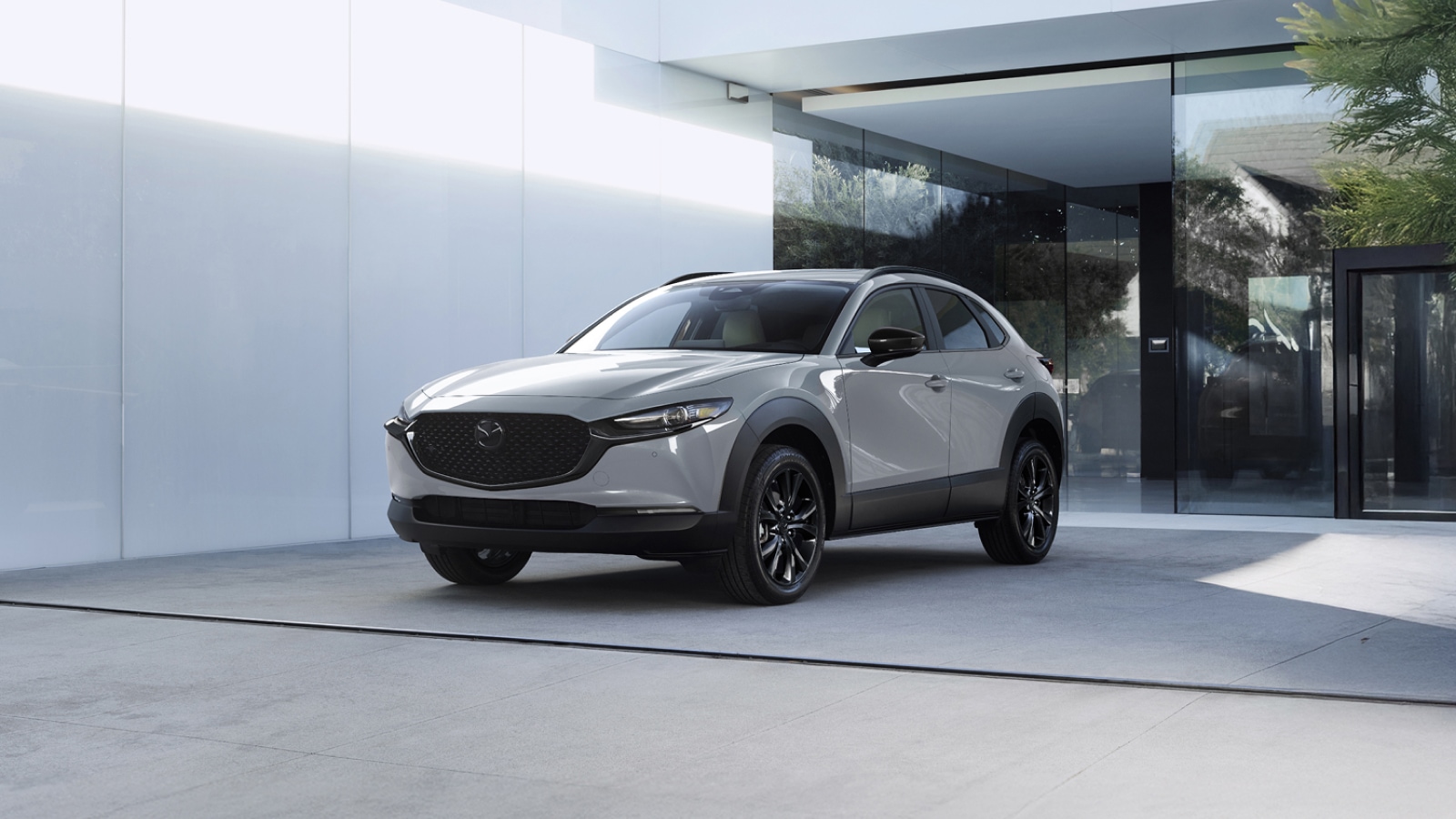
Searching for your next crossover SUV? With every brand trying to grab your attention, it’s hard to separate facts from the noise. At Bob Moore Mazda, we’re here to help you cut through the noise, helping you compare and contrast best-selling SUVs from your favorite brands. In the sections below, we’ll be comparing the Mazda CX-30 to the Honda HR-V. Both SUVs are compact crossovers, making them the smallest SUVs each brand makes. Of course, the smaller size doesn’t hold either SUV back, as each offers a versatile compact cabin, built for efficient commuting with enough versatility to serve for your next road trip. In the sections below, we’ll compare power trains, cargo space, trim levels, and more, so you know which SUV makes the most sense for you. Of course, we’re a Mazda dealership, so we have some inherent bias that’s worth pointing out. We think both SUVs merit consideration. Keep reading to learn more!

CX-30 vs HR-V Fuel Economy and Engine Comparison
Let’s start with powertrains. The Honda SUV comes equipped with a 2.0-liter four-cylinder engine that makes 158 horsepower. It’s the same engine found in the Honda Civic, coming standard with front-wheel drive and optional all-wheel drive. The HR-V doesn’t offer any driving thrills or handling, but it is a fuel-efficient choice, getting 26 mpg in the city and 32 mpg on the highway. All Wheel Drive does drop those figures by one or two mpg. The consensus among critics is that the HR-V is a little underpowered, though that might not matter much if you’re using it for daily commuting. We find the Mazda SUV a more spirited daily driver, equipped with a 2.5-liter four-cylinder that makes 191 horsepower. If you’re looking for an extra hit of performance, you can equip the Mazda with a turbocharged version of the same engine, taking you up to 250 horsepower. All-wheel drive comes standard, and power is directed via a six-speed automatic transmission. The base model gets 24 mpg in the city and 31 on the highway. That makes it a little less fuel-efficient than the FWD HR-V, putting it on even footing with the AWD HR-V. With 33 more horsepower than the HR-V and similar fuel economy, we’ll give the nod to the CX-30 in round one.

Honda HR-V vs Mazda CX-30 Cargo Space and Cabin
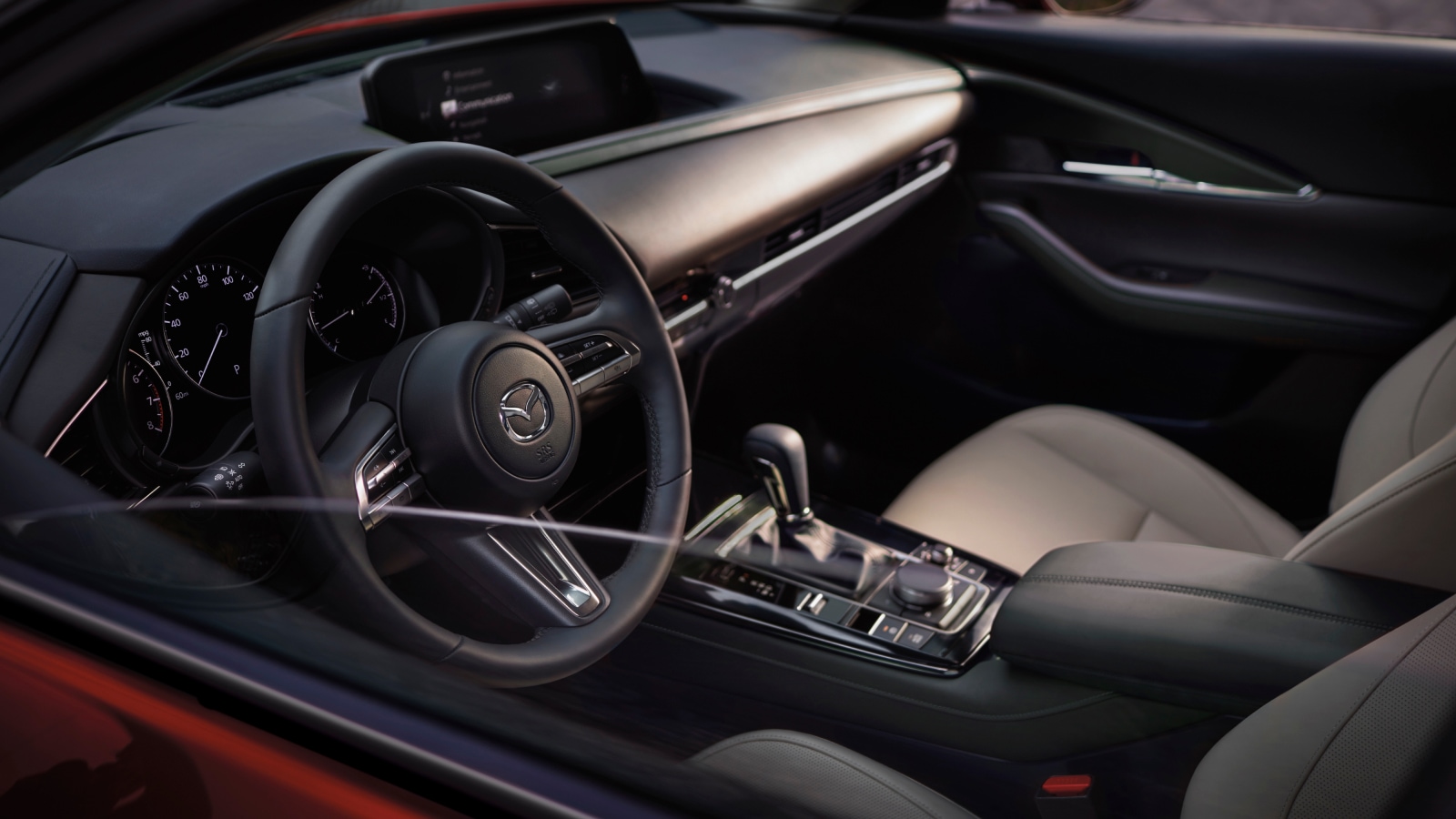
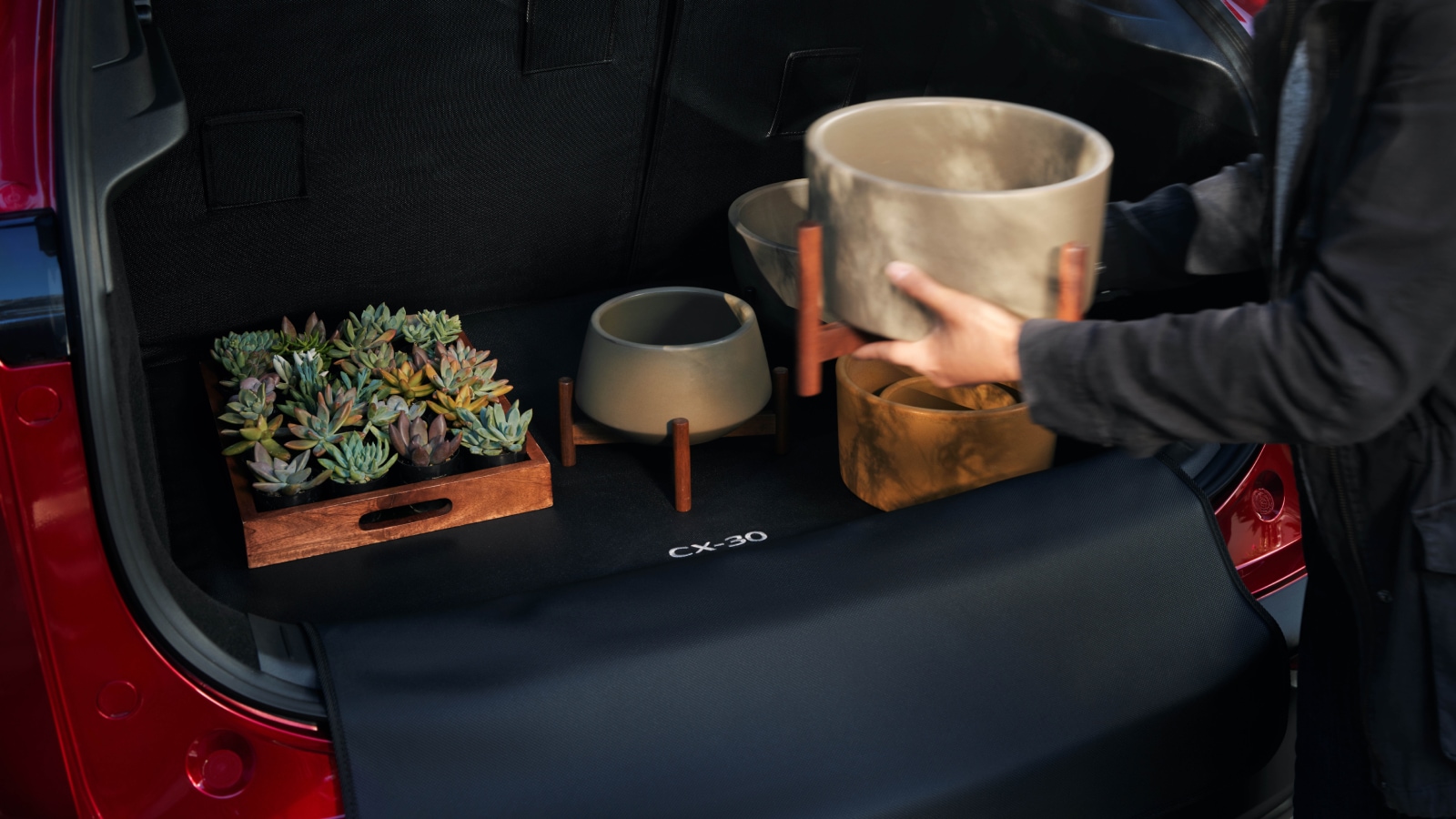
Cabin design largely comes down to personal tastes, but both SUVs offer a smart, well-styled cabin that makes it easy to spend time in. Both SUVs are also well built, each earning a five-star overall safety rating from the NHTSA. When comparing cargo space, the CX-30 delivers 20.2 cubic feet behind the rear row, with up to 45.2 cubic feet with the rear row down. The Honda takes the prize if you want a larger SUV, offering 24.4 cubic feet in the trunk and 55.1 cubic feet of total cargo volume. Both SUVs also have about a 9-inch infotainment display in the center of the dashboard, with wireless connections to Apple CarPlay, Android Auto, and Bluetooth. Both SUVs represent a perfect entry point for drivers looking for a new SUV, so while the base models might not come fully loaded, you can expect to find heated leather seats and more advanced driver assistance features as you progress up the trim levels. The Honda HR-V has three trim levels, while the Mazda CX-30 has eight, including two Turbo trim levels. We’ll touch on some of those trim levels and the pricing you can expect from each brand below.
Comparing CX-30 and HR-V Pricing and Value
Since the Honda HR-V has three trim levels and the CR-30 has eight, it’s a little more difficult to do a 1-to-1 trim level comparison. Instead, we’ve broken down the MSRPs for each trim level across the board.
| Trim Level: | MSRP: |
| Honda HR-V LX | $26,600 |
| Honda HR-V Sport | $28,400 |
| Honda HR-V EX-L | 30,450 |
| Trim Level: | MSRP: |
| Mazda CX-30 2.5 S | $25,975 |
| Mazda CX-30 2.5 Select Sport | $27,660 |
| Mazda CX-30 2.5 Preferred | $29,290 |
| Mazda CX-30 2.5 Aire Edition | $29,850 |
| Mazda CX-30 2.5 Carbon Edition | $31,030 |
| Mazda CX-30 2.5 Premium | $33,240 |
| Mazda CX-30 2.5 Turbo Aire Edition | $34,410 |
| Mazda CX-30 2.5 Turbo Premium Plus | $37,900 |
Both SUVs are in the same ballpark in terms of pricing. Since the Mazda has more trim options to choose from, you’ll find that the top of the CX-30 trim levels offer a more luxurious cabin than you’ll find in the Honda. The top end of the Mazda lineup is a bit more expensive than the Honda’s highest MSRP, but that can be attributed to the turbocharged engine and powertrain. Which makes the most sense for you? Ultimately, that probably comes down to your personal tastes!
Should I Buy the Mazda CX-30 or the Honda HR-V?
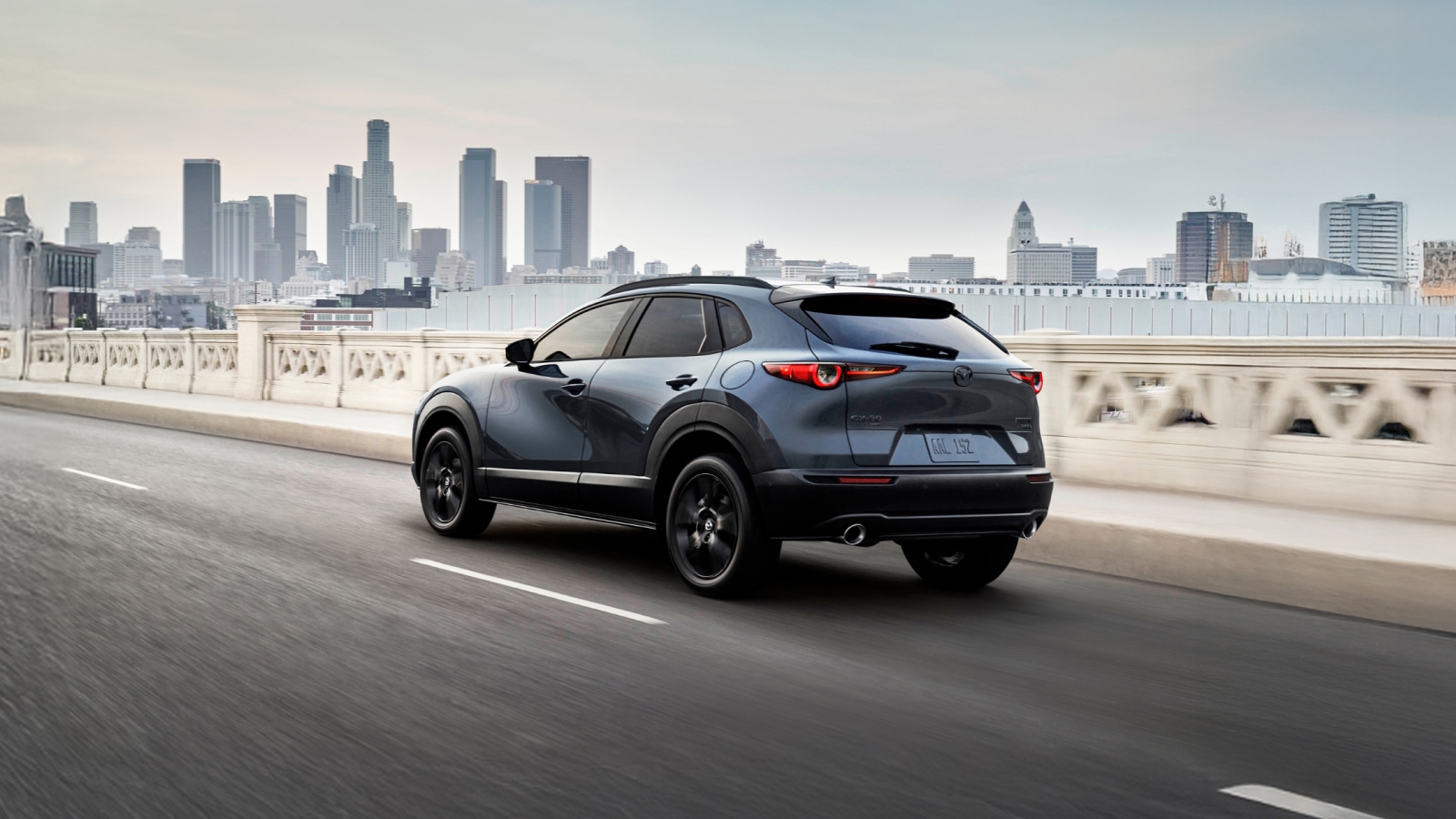
Since both SUVs are priced in a similar range, we can compare them on their merits rather than their value. We’d choose the Honda HR-V if you need a larger subcompact SUV. Otherwise, we think the Mazda CX-30 makes more sense for most drivers. For the same price, you get noticeably more horsepower, standard AWD, and similar fuel economy ratings. We think that’s a winning formula, but don’t take our word for it. Car and Driver gave the HR-V an 8/10, while the CX-30 earned a 9.5/10. See why for yourself at Bob Moore Mazda dealership in OKC.